So… how should you pose for photos? Posing can seem a little tricky at first, but once you get the hang of it, it starts to feel natural and effortless. The key is creating movement, confidence, and flattering angles rather than standing stiffly in front of the camera.
This guide will help you understand the basics of posing, remember simple tricks during your session, and learn how to position your body to create beautiful, natural-looking images you'll love. Follow these tips to elevate your posing game and feel more confident in front of the camera.
Posing Guide
TIP 1.
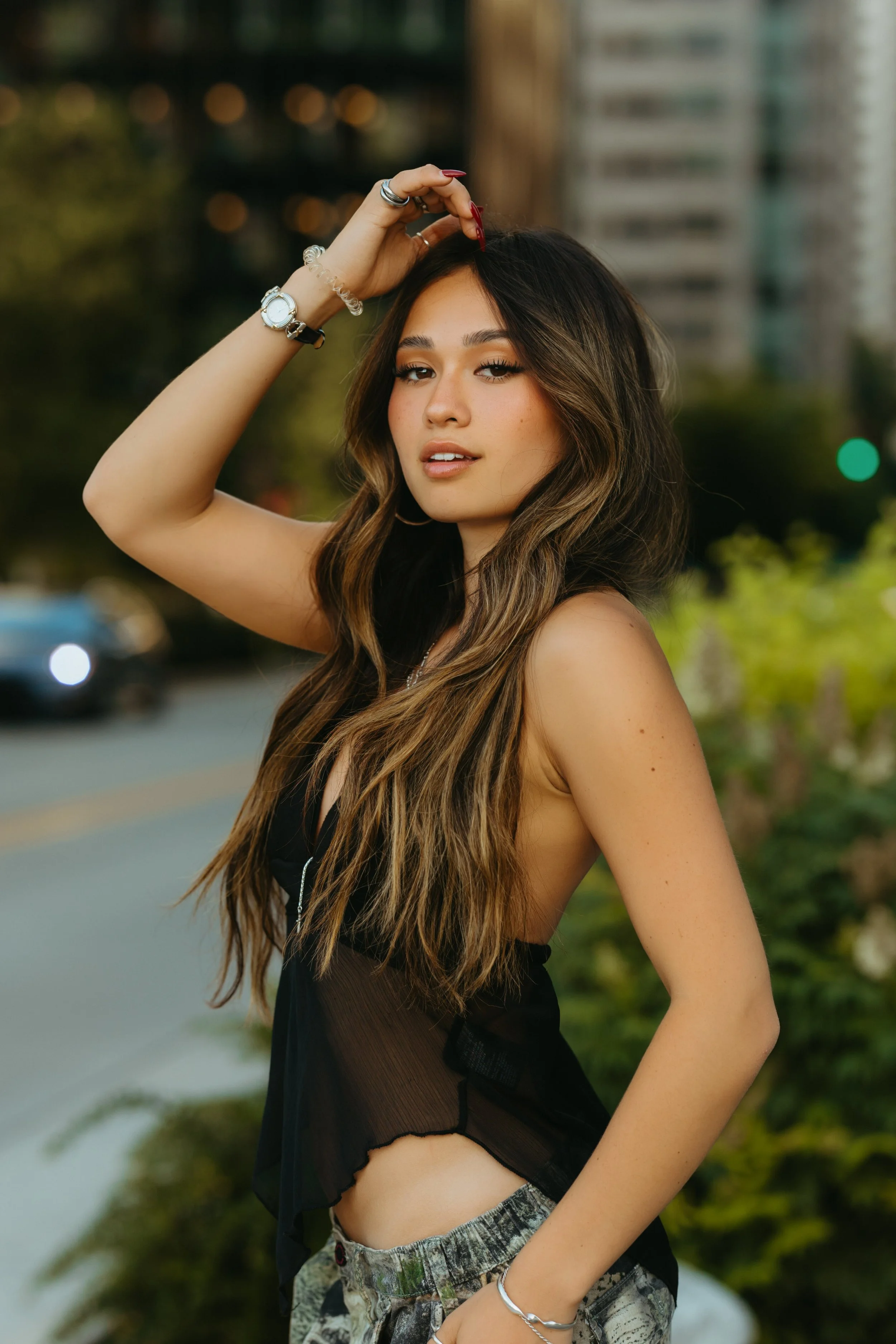
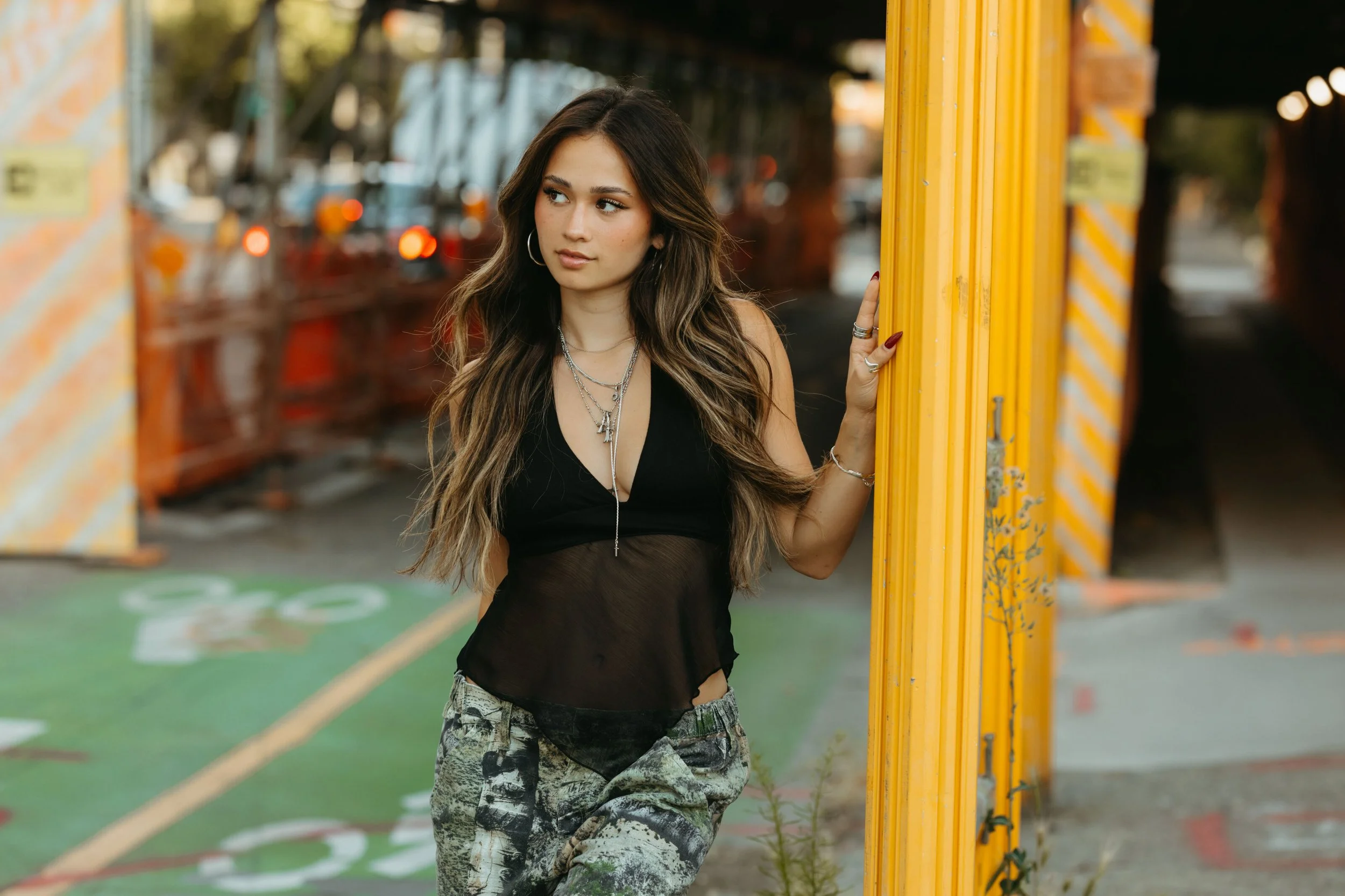
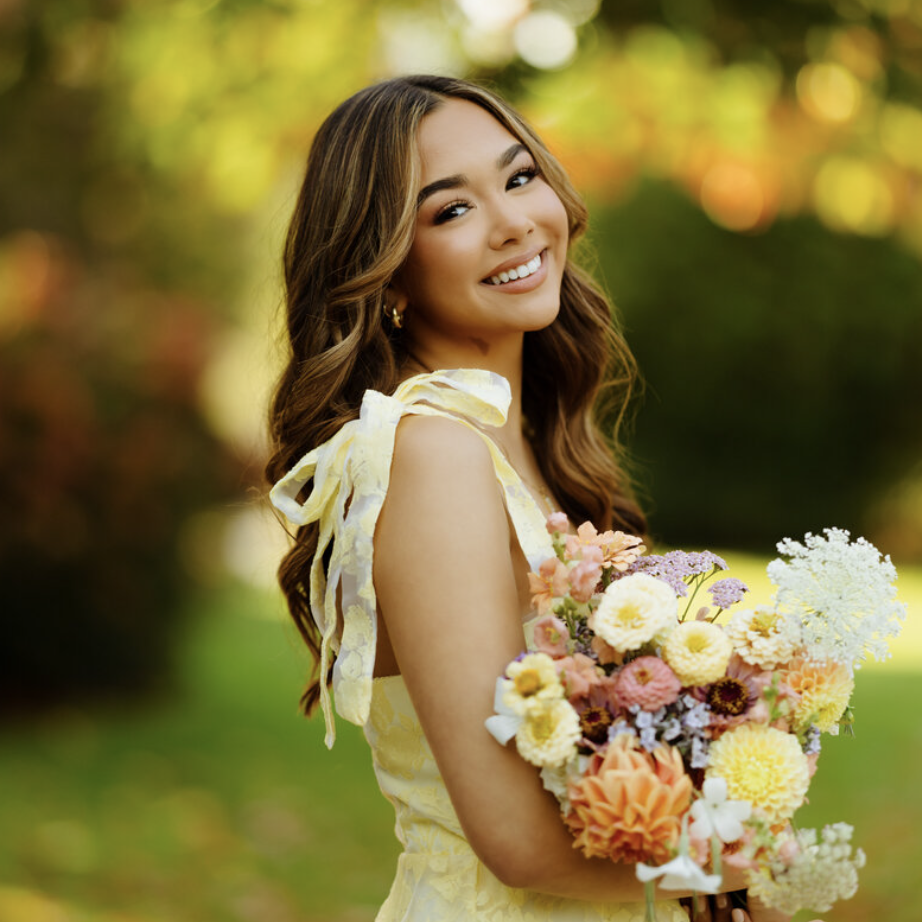
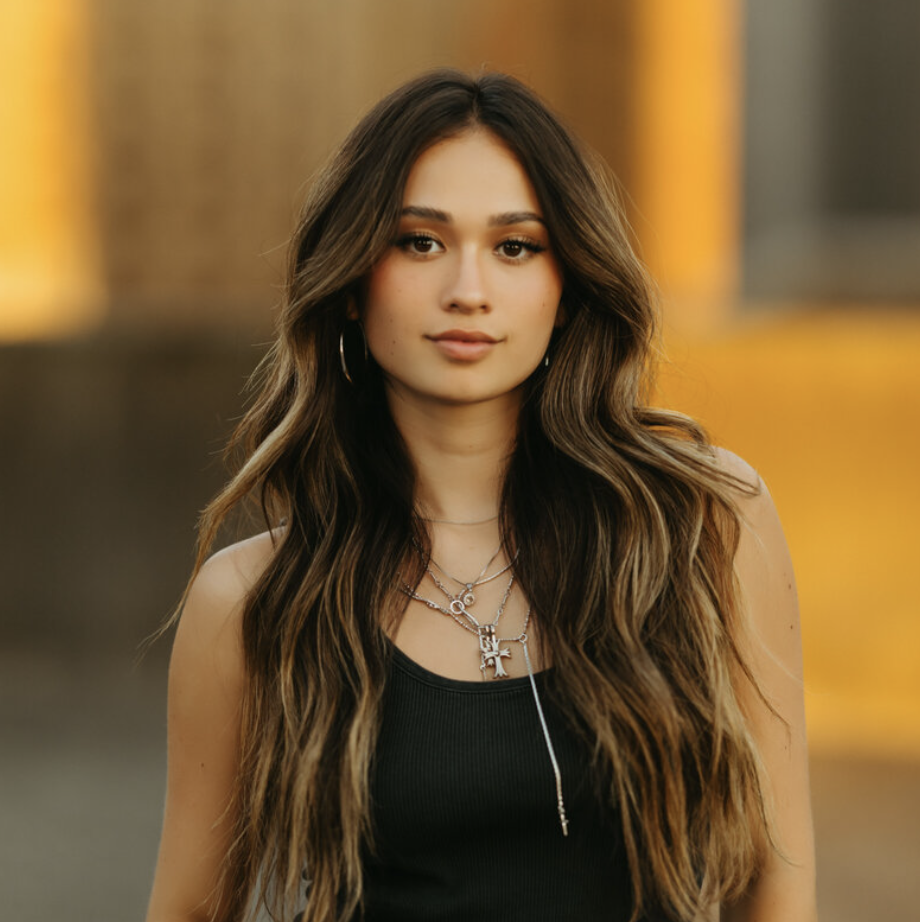
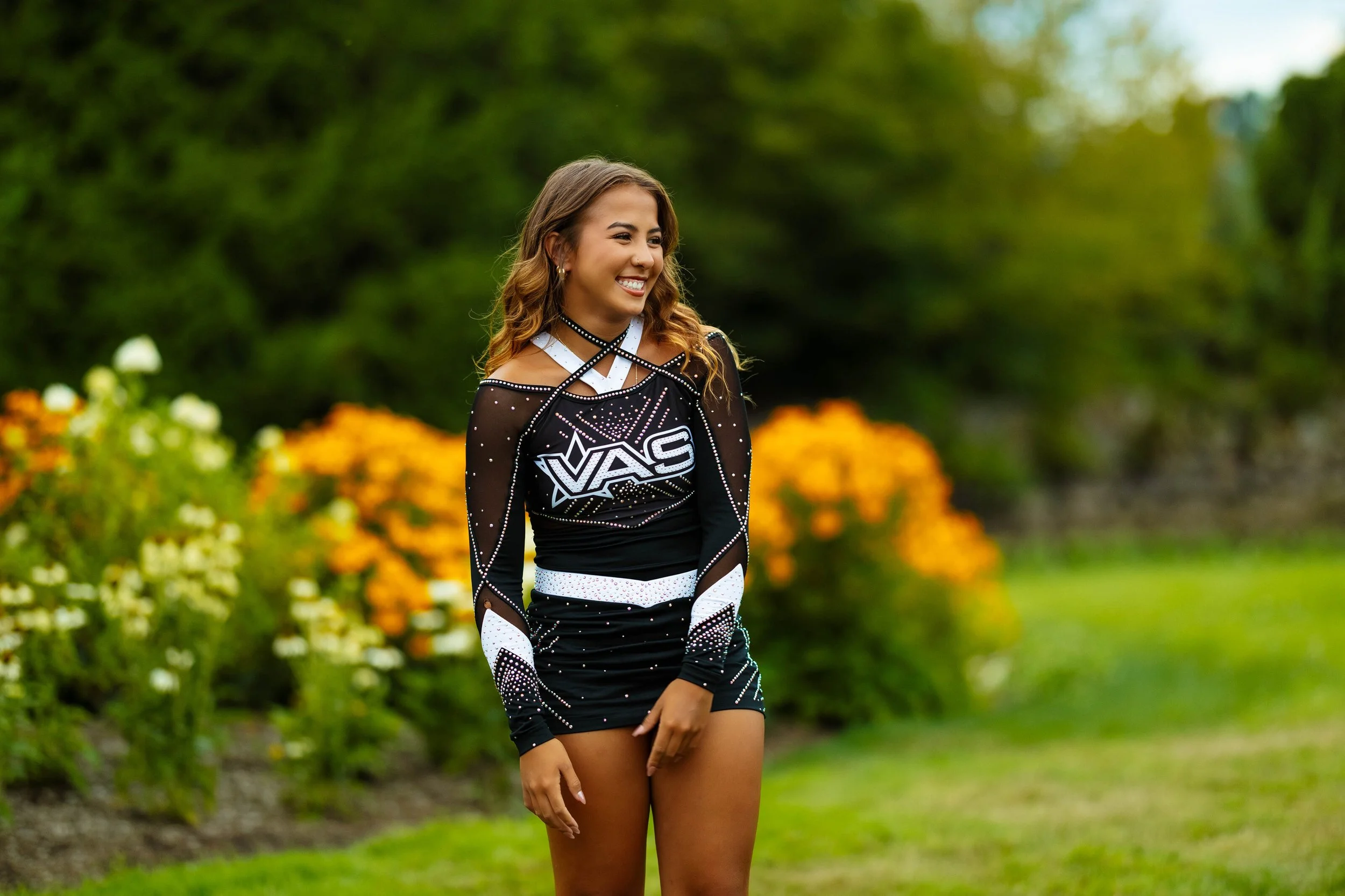
Facial Expressions. These are the key facial expressions you'll use throughout your session. Practice switching between them naturally, as your photographer may ask for several different expressions in a short amount of time. View the examples below to see these tips in action.
Model Face — Keep your facial muscles slightly engaged, relax your eyes, and gently part your lips for a confident, editorial look.
Straight Face — Similar to a model face, but with your lips closed. Think relaxed, confident, and natural.
Smile — Smile with your teeth showing. Think of something that genuinely makes you happy to create an authentic expression.
Hint of a Smile — A soft, subtle smile without showing teeth.
Laugh — A real laugh always photographs beautifully. Have someone tell you a joke, think of a funny memory, or simply fake a laugh until it becomes real.
Goofy — Don't be afraid to show your personality! Make a silly face, dance, joke around, or do whatever feels fun and natural to you.
Pro Tip: Keep transitioning between expressions instead of holding one pose. Often the best photos happen in the moments between expressions when you're moving naturally.
-
![]()
MODEL FACE
-
![]()
STRAIGHT FACE
-
![]()
SMILE
-
![]()
HINT OF A SMILE
-
![]()
LAUGH
-
![]()
GOOFY
TIP 2.
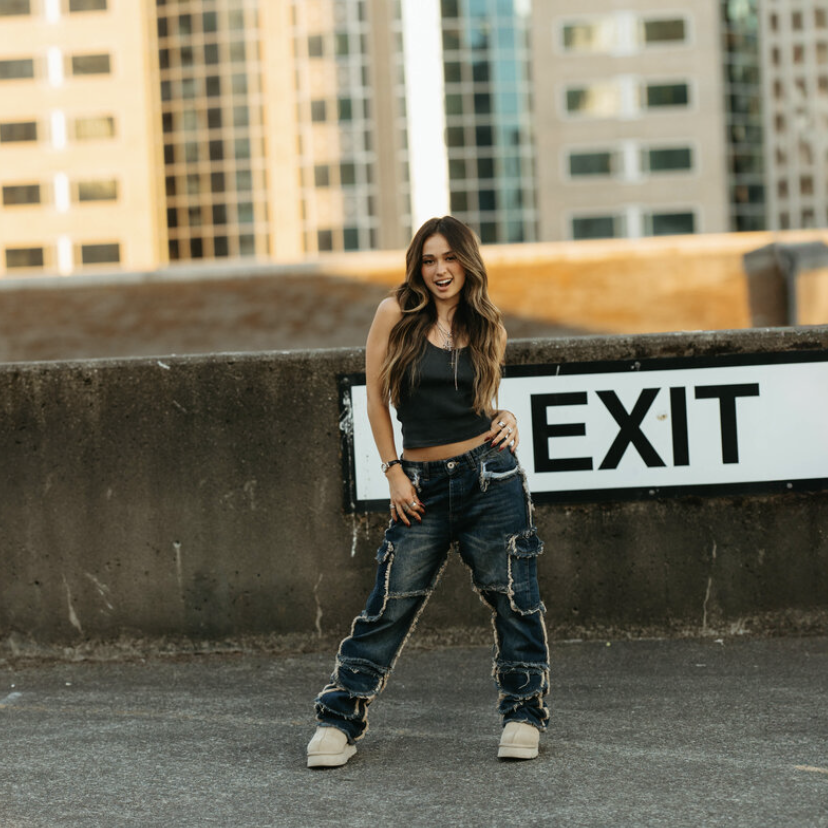
Pose Natural. Remember, the best poses are the ones that feel natural and comfortable rather than forced. View the examples below to see these tips in action.
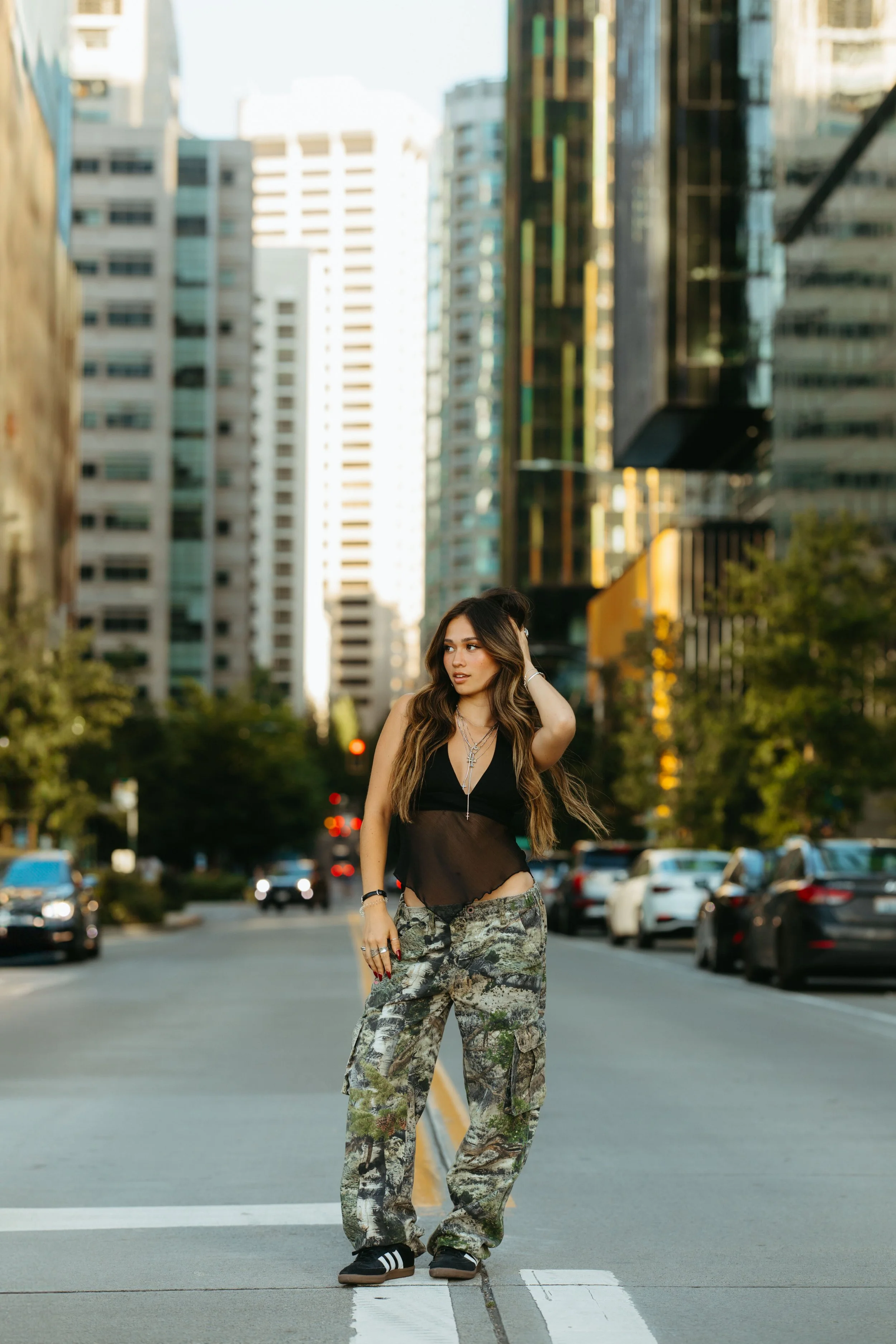
Shift your weight onto one leg to create a more flattering, relaxed stance and add shape to your body.
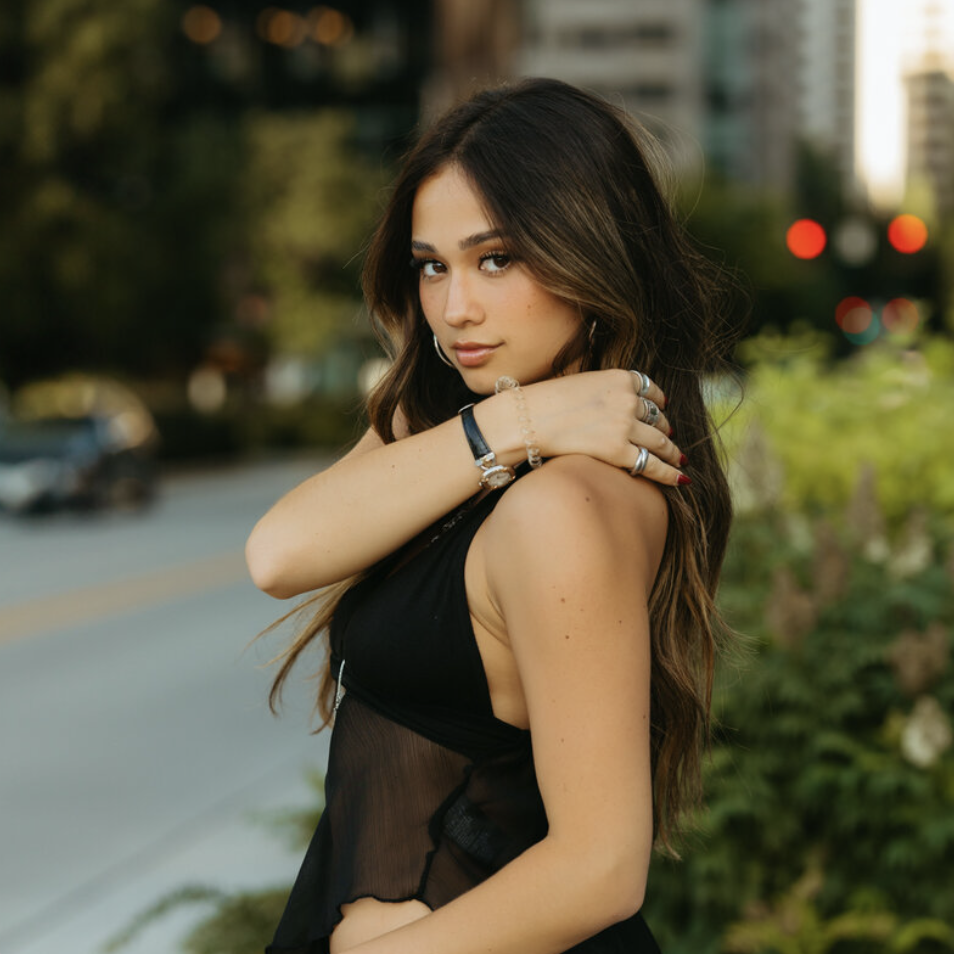
Create angles with your body by slightly arching your back, bending your arms, and turning your body slightly away from the camera for a more slimming and dynamic look.
Avoid standing straight with your arms flat against your sides. This can make poses look stiff and less flattering.
Elongate your limbs by extending a leg, pointing your toe, or creating space between your arms and body.
Keep your poses flowing and natural. Small movements often photograph better than holding perfectly still.
Know your favorite side. If you have a side of your face you prefer, subtly position yourself so your photographer can capture it more often.
Don't force your smile or your pose. If something feels uncomfortable or unnatural, it will usually show in the photos.
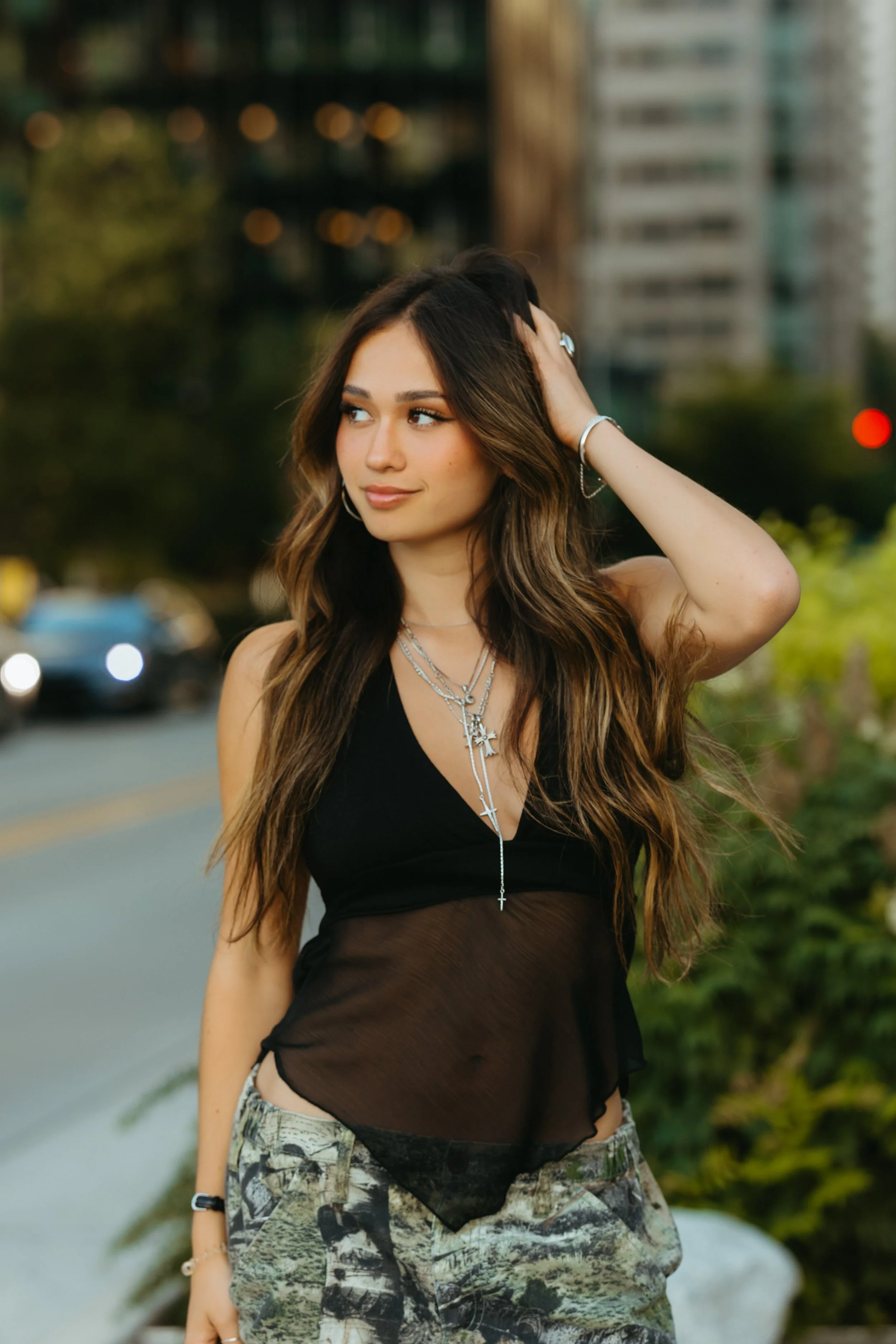
Keep moving. Walking, twirling, adjusting your outfit, or shifting your weight helps create effortless, candid-looking images.
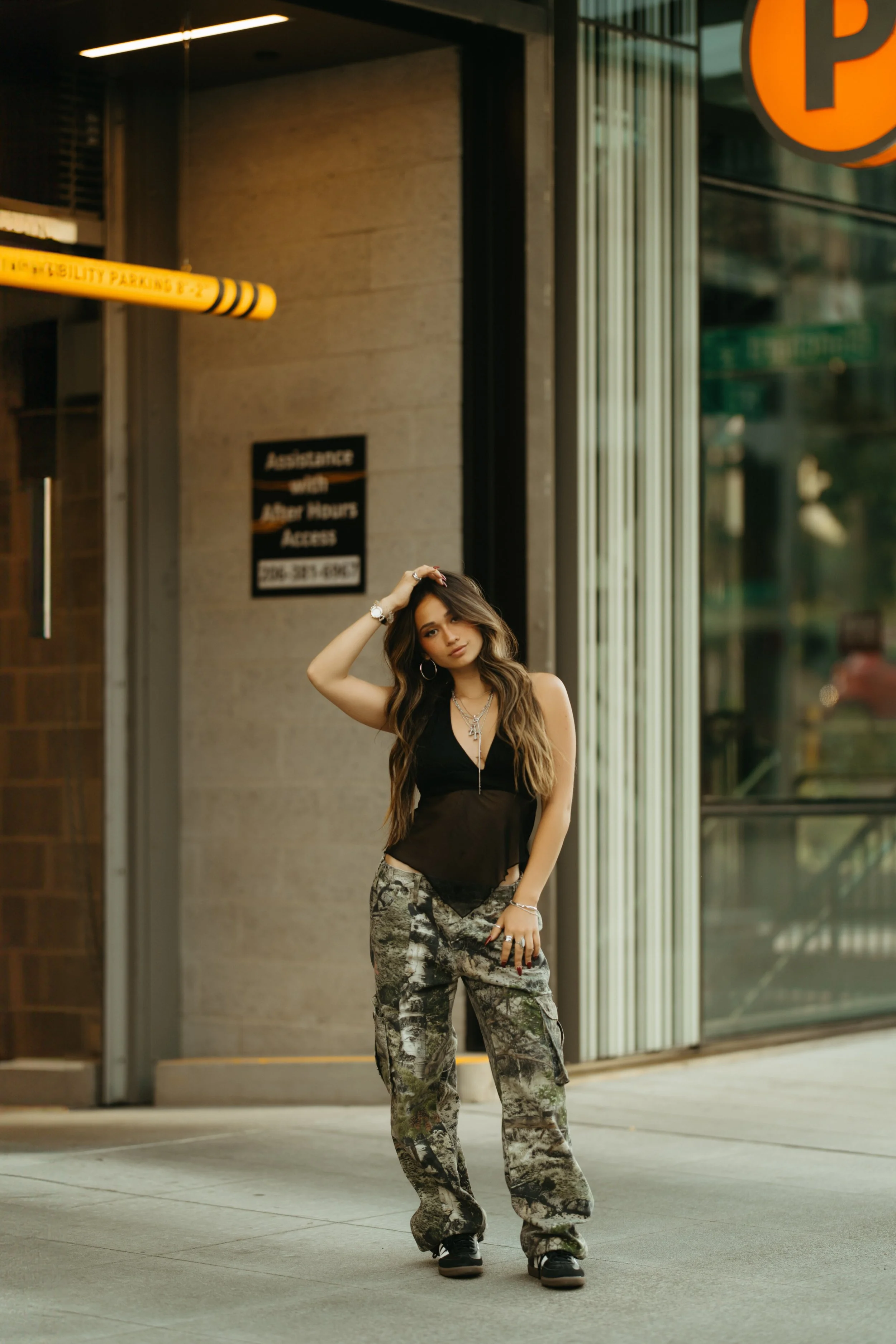
Use your hands with purpose. Touch your hair, adjust a jacket, hold a bouquet, place a hand on your shoulder, or interact with your surroundings to avoid awkward-looking hands.
Most importantly: Relax and trust your photographer. The goal isn't to perfectly recreate a pose—it's to create natural, confident images that reflect your personality.
-
![]()
SHIFT YOUR WEIGHT AND BEND YOUR BACK SIDEWAYS
-
![]()
BEND YOUR BACK AND RAISE YOUR SHOULDER
-
![]()
EXTEND YOUR LEG AND PUSH YOUR HAIR UP
-
![]()
TURN SIDEWAYS AND TOUCH YOUR SHOULDER
-
![]()
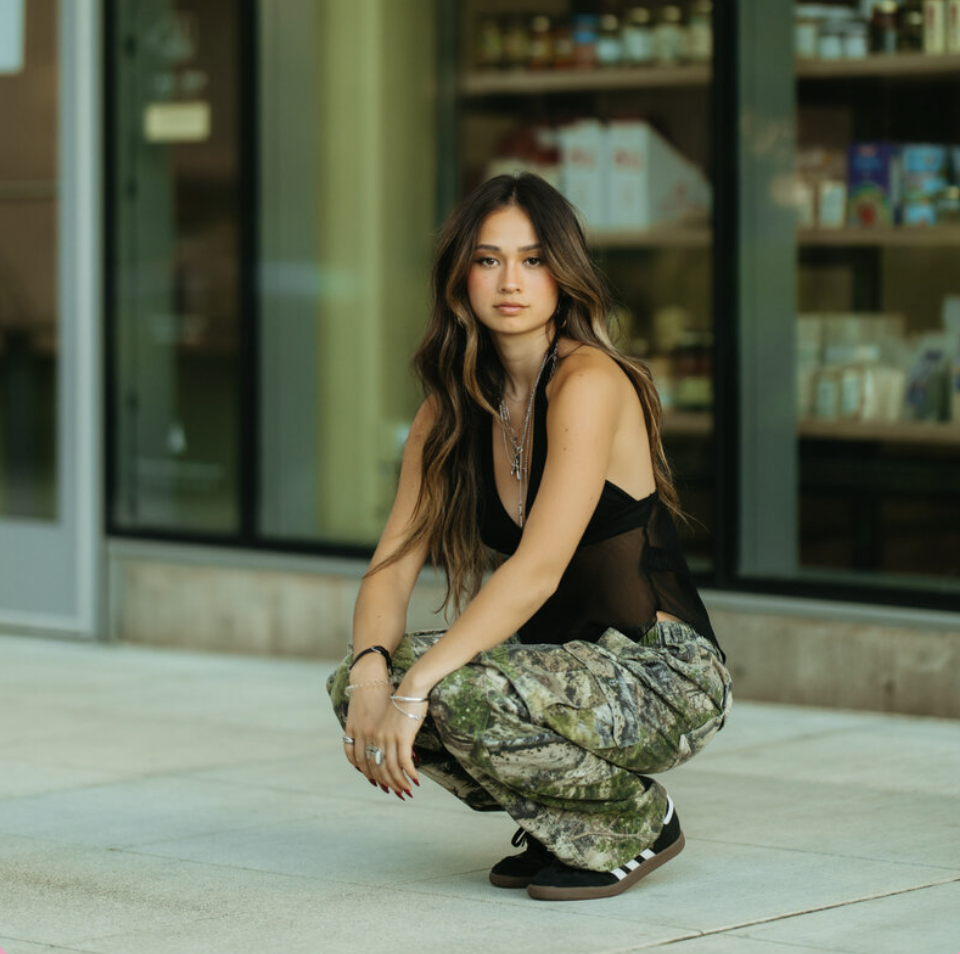
SQUAT AND TOUCH YOUR KNEES WITH WRISTS
-
![]()
MOVE AROUND AND TOUCH YOUR HAIR
TIP 3.
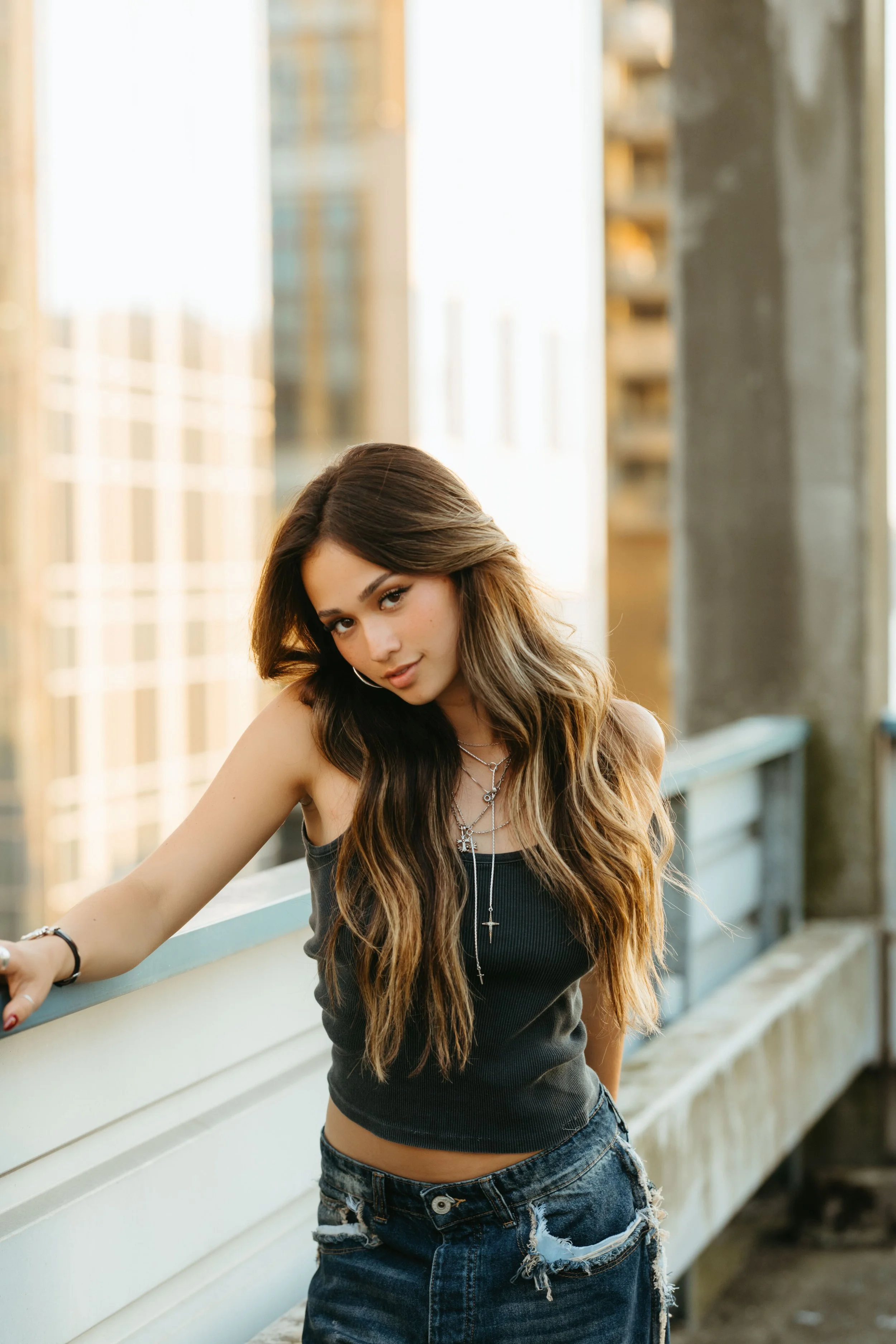
Use Your Surroundings. One of the easiest ways to make your photos feel natural and authentic is to interact with the environment around you. Using your surroundings creates movement, gives your hands something to do, and helps photos feel less posed and more like real moments.
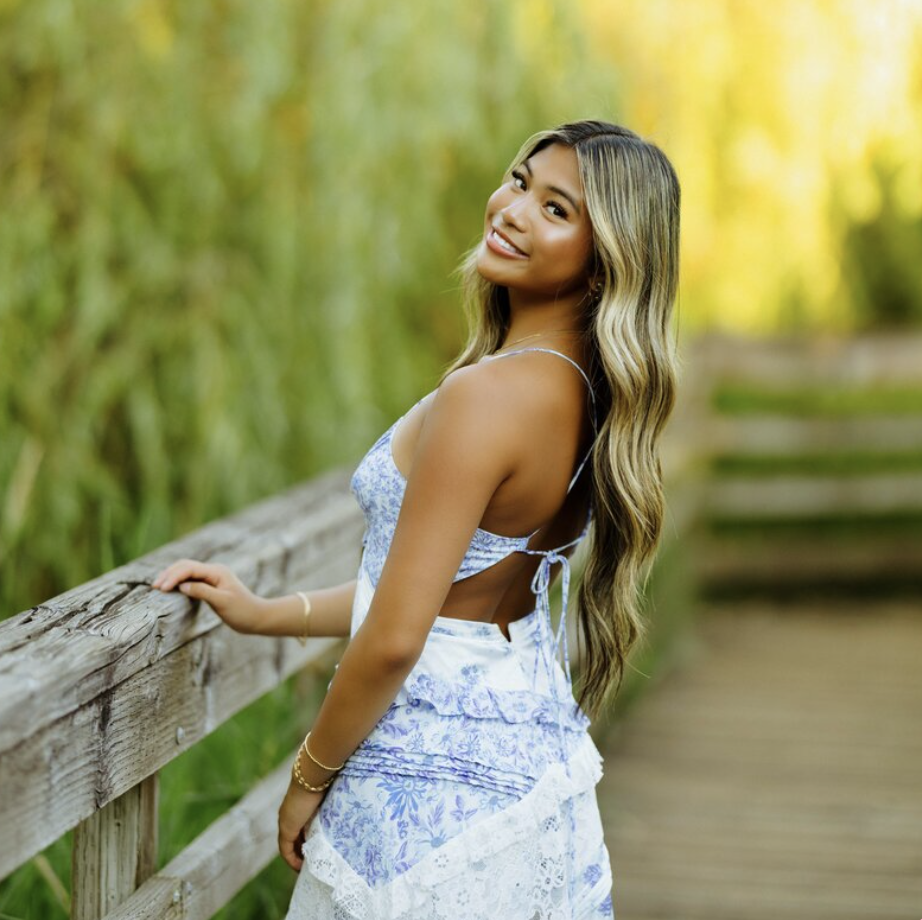
Lean against or lightly touch objects such as walls, fences, railings, trees, or doorways to create a relaxed and effortless look.
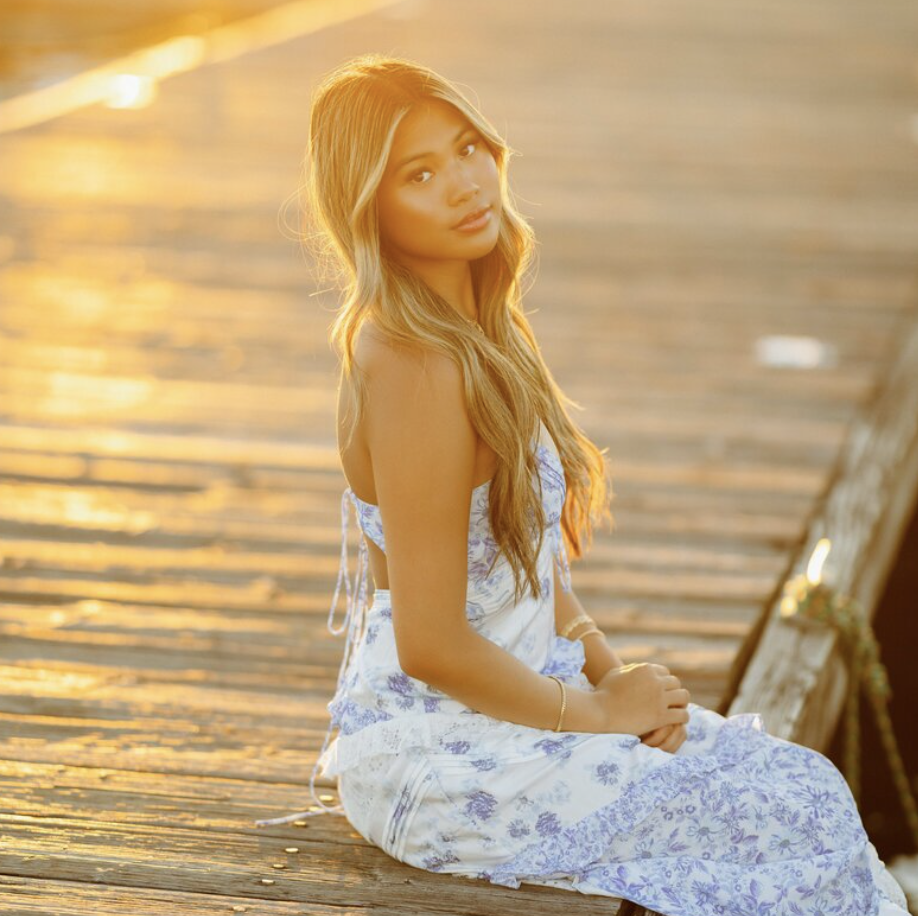
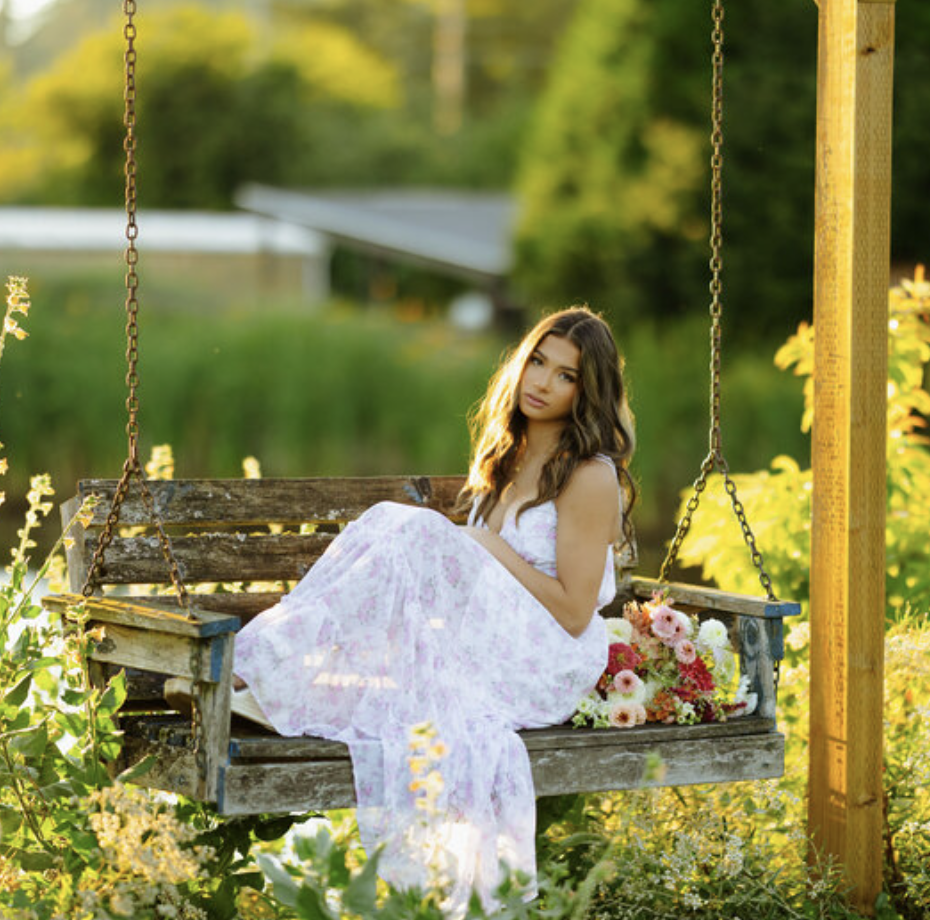
Sit when possible. Benches, docks, sidewalks, stairs, boats, and other surroundings can serve as natural props and help create a more realistic, lifestyle feel rather than a staged studio look.
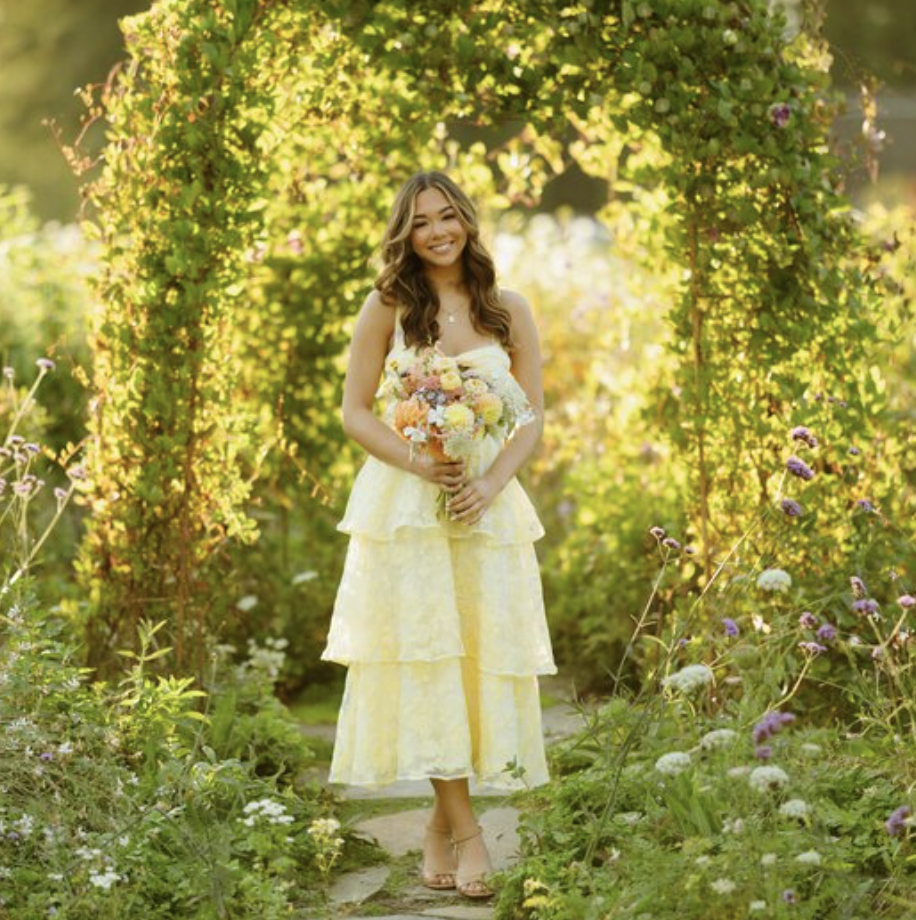
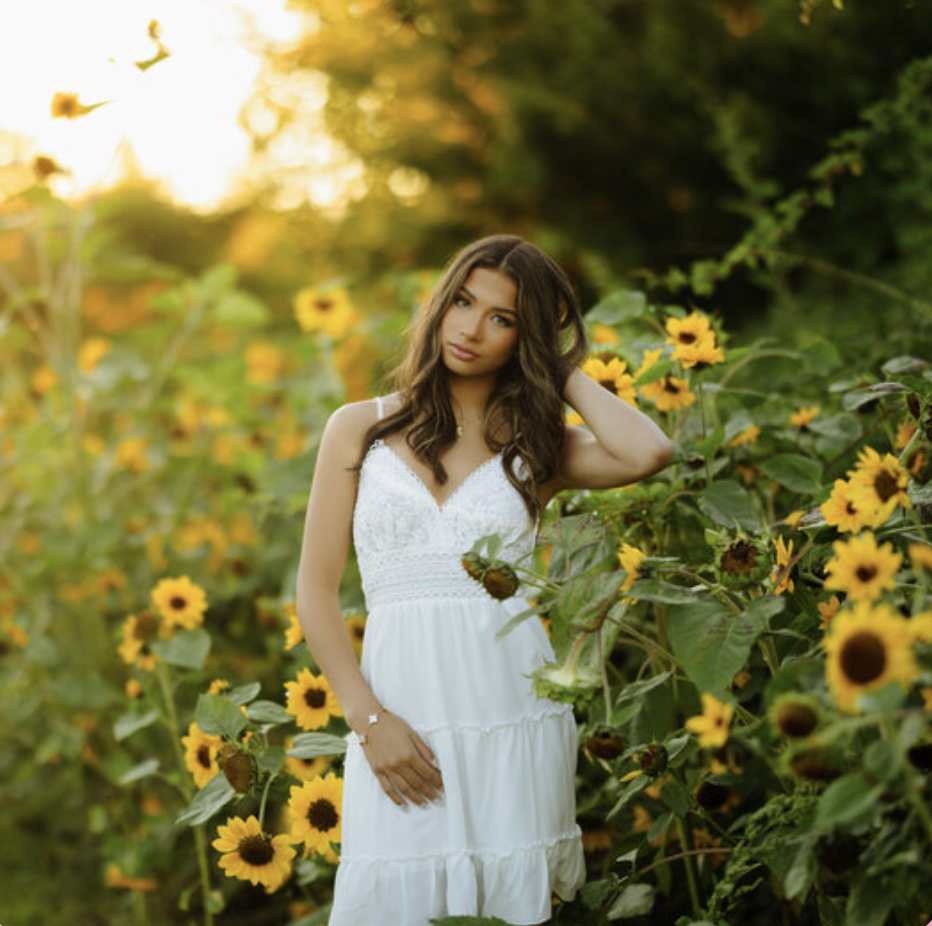
Incorporate flowers. Hold a bouquet, smell the flowers, or blend naturally into a flower field to add interest and create beautiful, romantic images.
Bring your pet. Not only do pets add personality to your session, but they also create genuine interactions and candid moments that photograph beautifully.
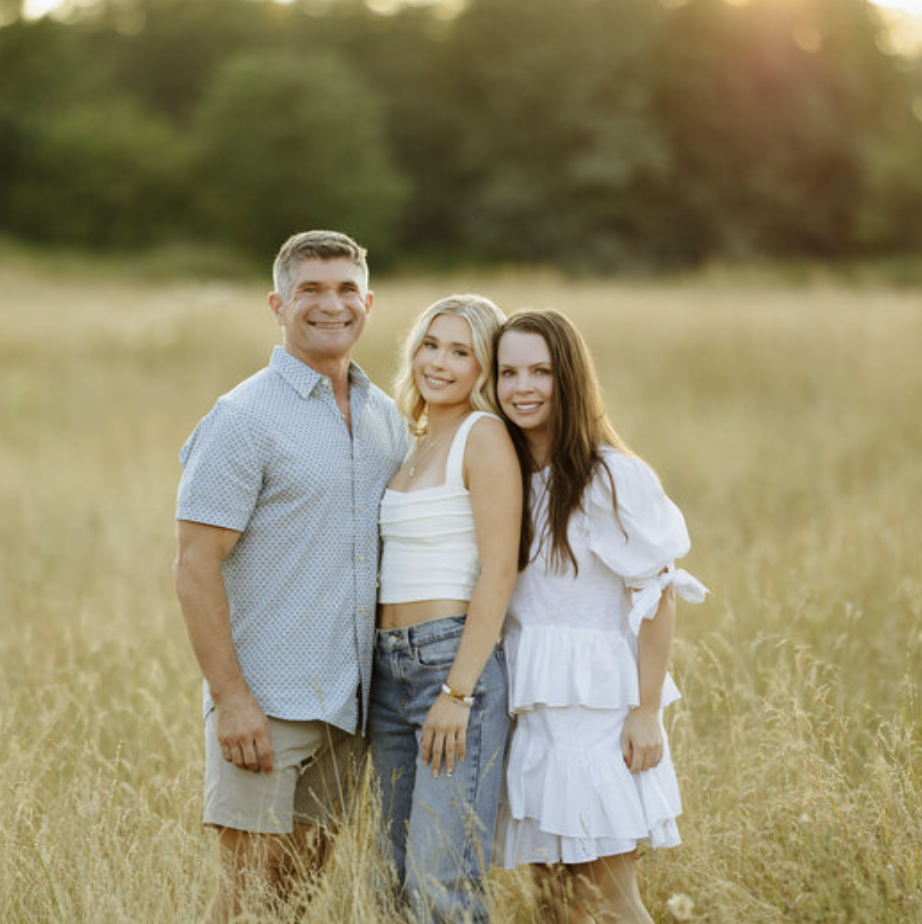
Bring someone special. A friend, sibling, parent, significant other, or another important person in your life can help create natural connection, laughter, and meaningful photos.
Remember: The goal isn't just to pose in a location—it's to interact with it. The more you engage with your surroundings, the more natural and effortless your photos will feel.
-
![]()
SIT ON A PIER
-
![]()
TOUCH THE FENCE
-
![]()
HOLD A BOUQUET
-
![]()
POSE WITH YOUR LOVED ONES
-
![]()
LEAN ON A SWING
-
![]()
POSE INSIDE THE FLOWERS
TIP 4.
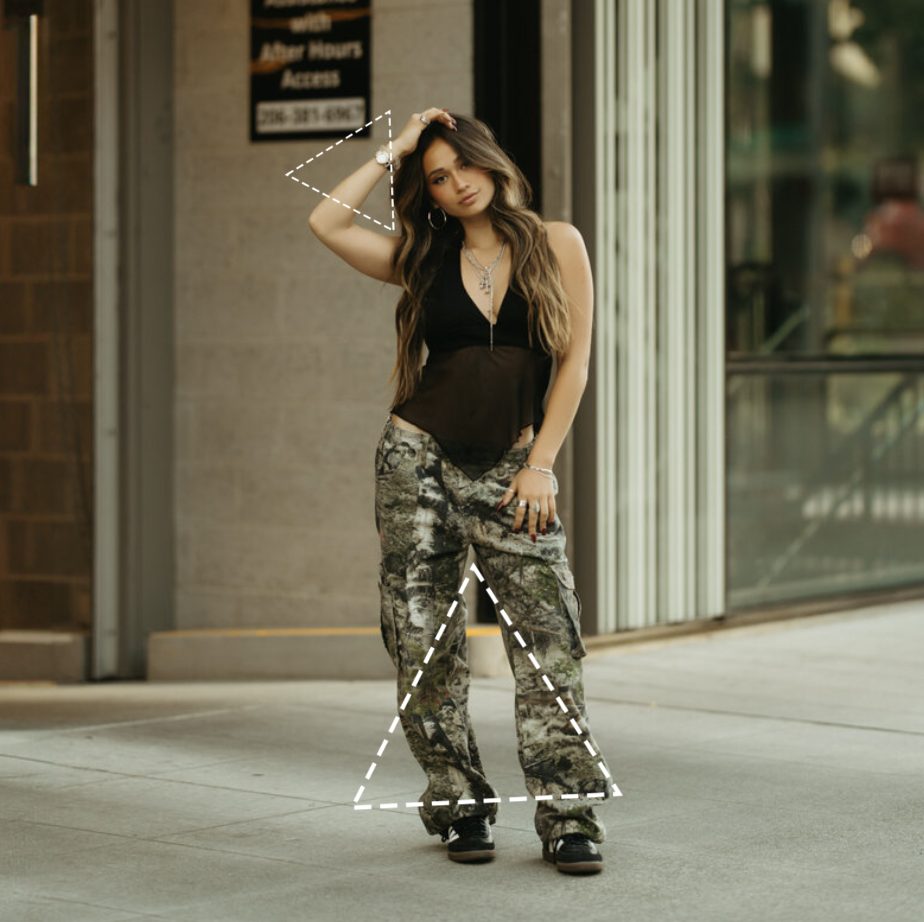
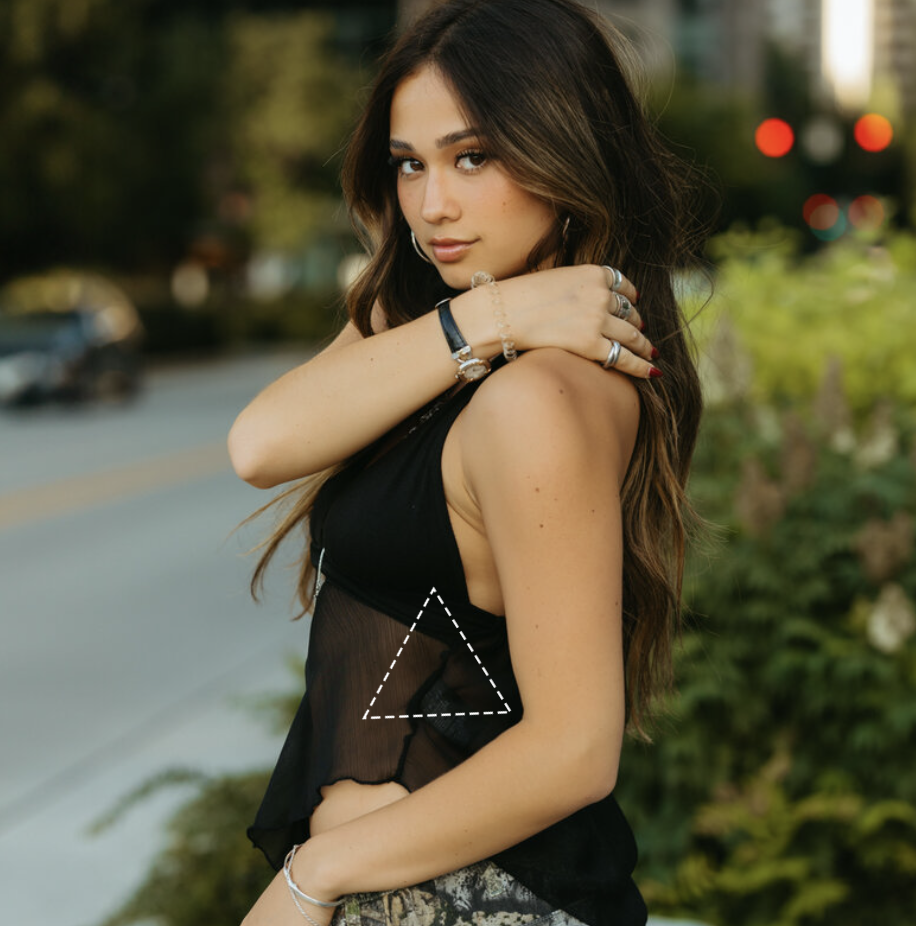
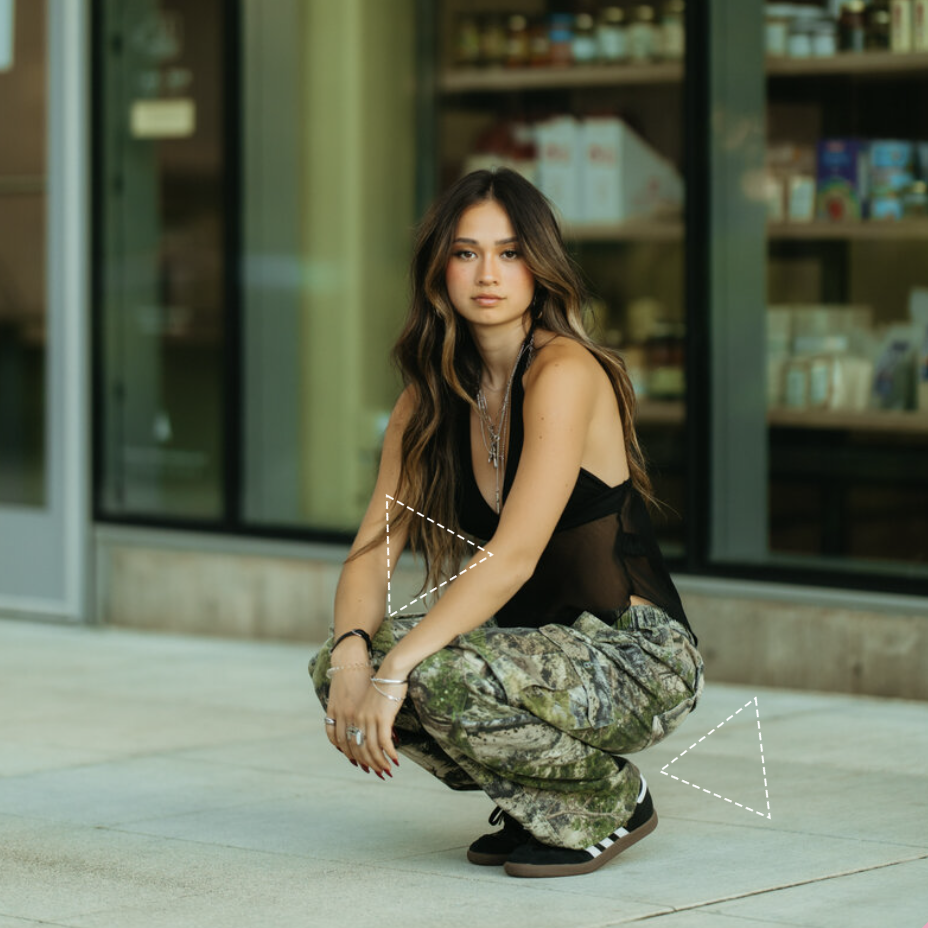
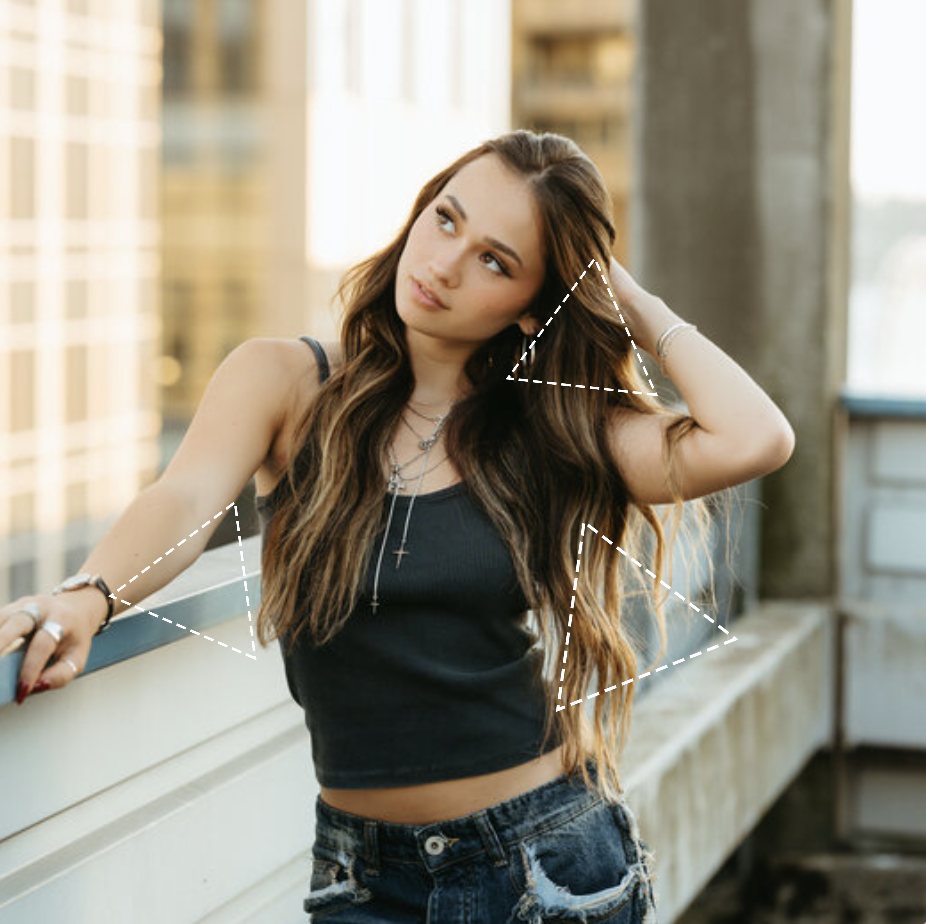
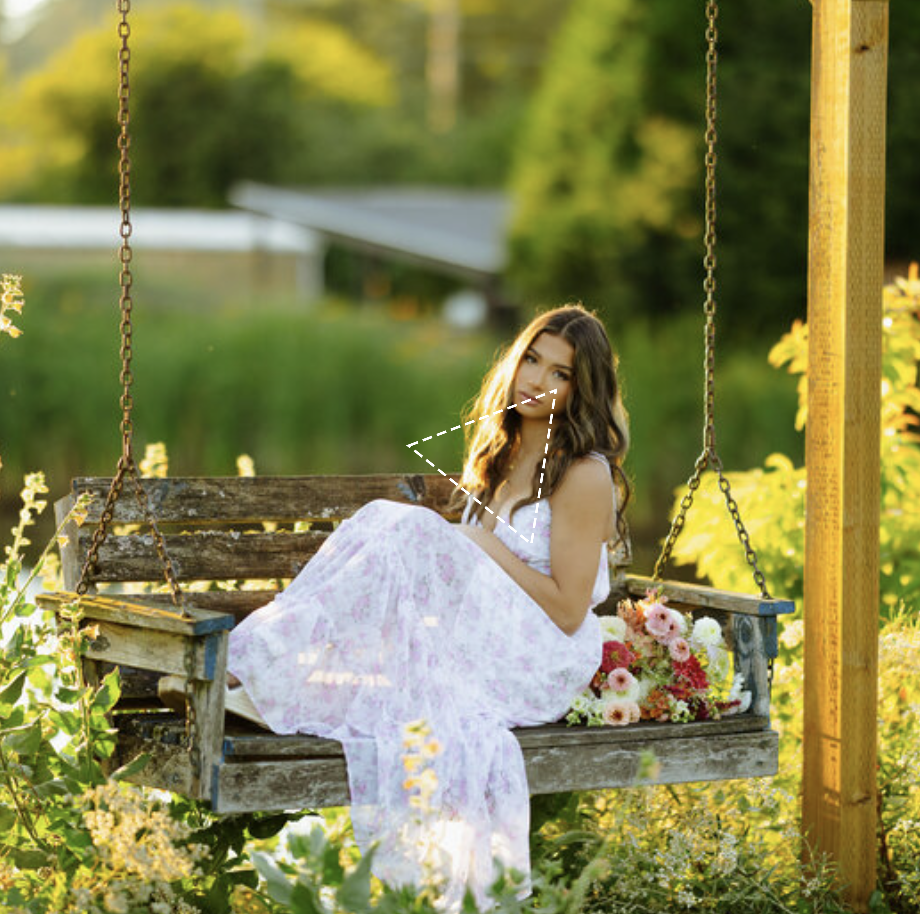
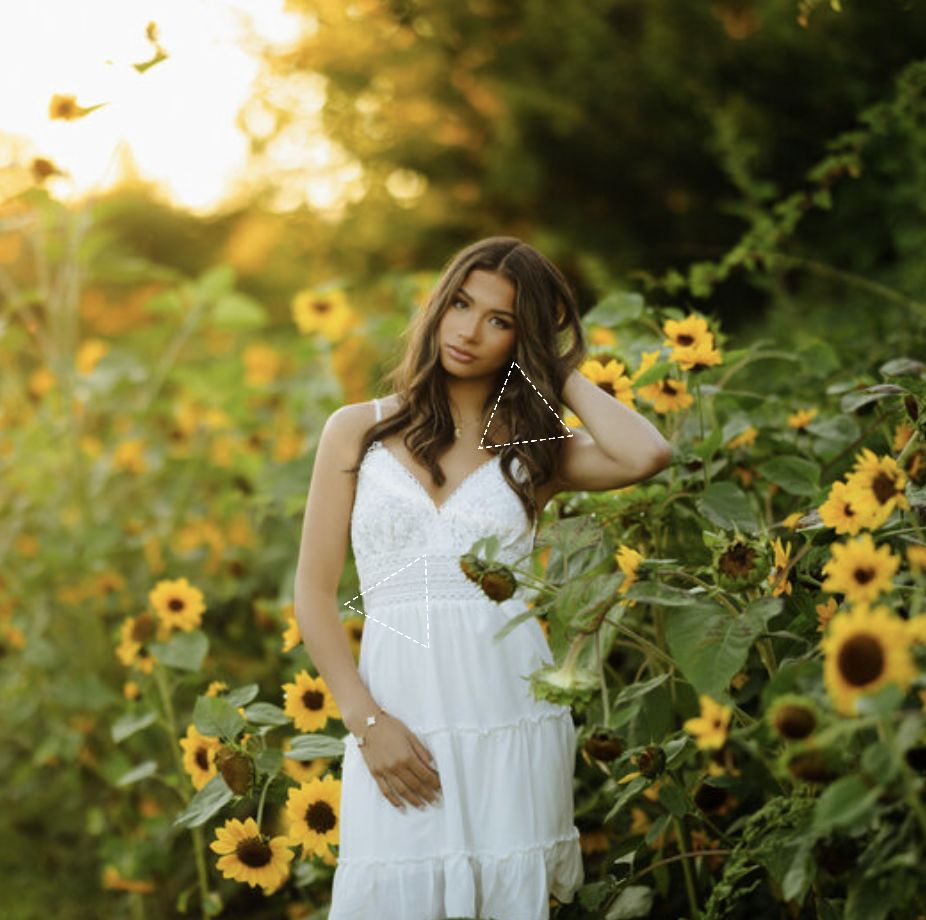
Use Triangle Shapes. One of the easiest ways to make your poses look more professional and visually appealing is to create triangle shapes with your body. Triangles add dimension, create flattering angles, and naturally guide the viewer's eye through the image.
Bend your arms and legs rather than keeping them completely straight. This helps create natural triangular shapes throughout your pose.
Create space between your limbs and body. For example, placing a hand on your hip or slightly bending an elbow instantly forms a triangle.
Use different levels and angles when sitting, standing, or leaning to add variety and visual interest.
Avoid stiff, straight lines. Poses with subtle bends and angles tend to look more natural and flattering on camera.
Look for hidden triangles. Notice how many professional poses contain triangular shapes formed by arms, legs, hands, or the overall body position.
Take a look at the examples below: you'll notice that nearly every pose contains a triangle somewhere within it. Once you start looking for them, you'll see these shapes everywhere—and they'll instantly elevate your posing game.
Flow. Watch the video below to understand one of the most important concepts in posing: flow.
Notice how the model is constantly moving, but very slowly. Instead of jumping from one pose to another, she transitions smoothly between poses, giving the photographer time to capture multiple angles and expressions throughout the movement.
Move slowly. Slow, intentional movements create more natural-looking photos and allow the photographer to capture the perfect moment.
Flow from one pose into the next. Think of posing as a continuous motion rather than a series of frozen positions.
Hold each movement for a moment. Give your photographer enough time to capture you from different angles before transitioning.
Keep your hands, face, and body moving. Adjust your hair, look in different directions, shift your weight, or change your expression as you move.
Avoid sudden movements. Quickly jumping from pose to pose can make photos feel stiff and rushed.
Trust the process. Many of the best images happen in between poses, during the natural transitions and candid moments.
Remember: You're not trying to create a collection of perfect poses. You're creating a continuous sequence of movement. The more you flow, the more natural, effortless, and magazine-worthy your photos will look.